Skip to content
Anmol Singh Tuteja

Raipur, India

2026

I make theexpensive problemgo away.

Anmol Singh Tuteja in Raipur, IndiaAnmol Singh Tuteja

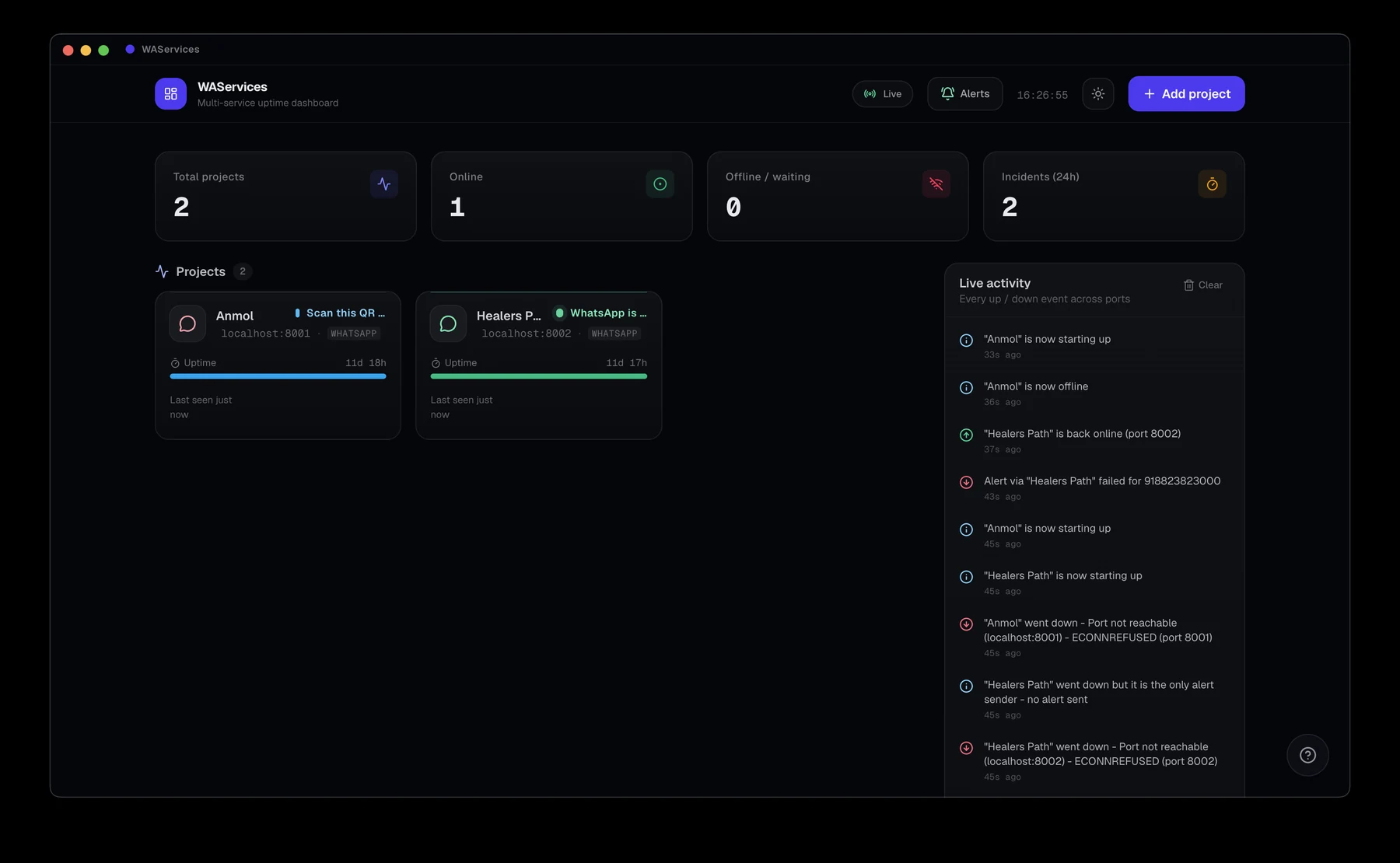
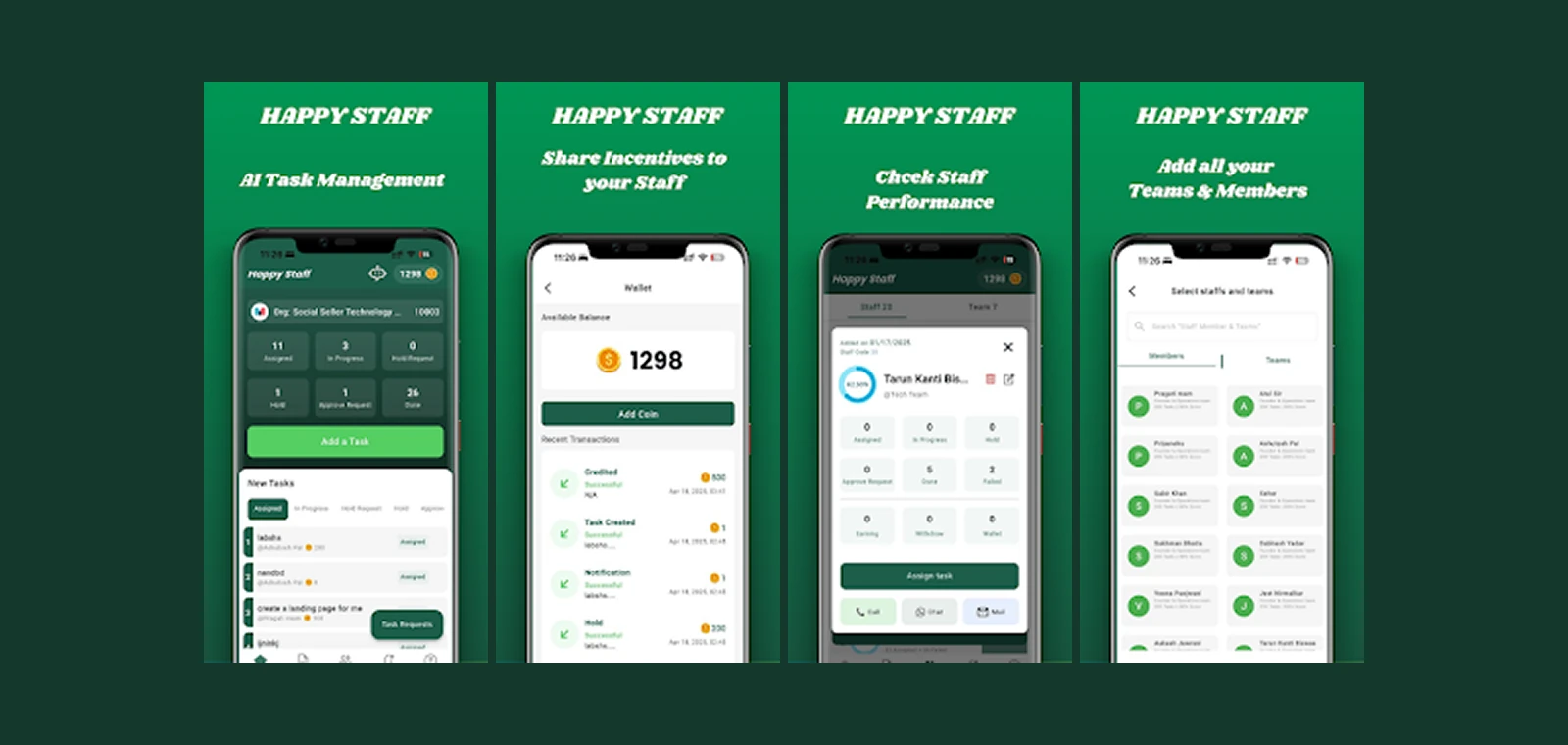
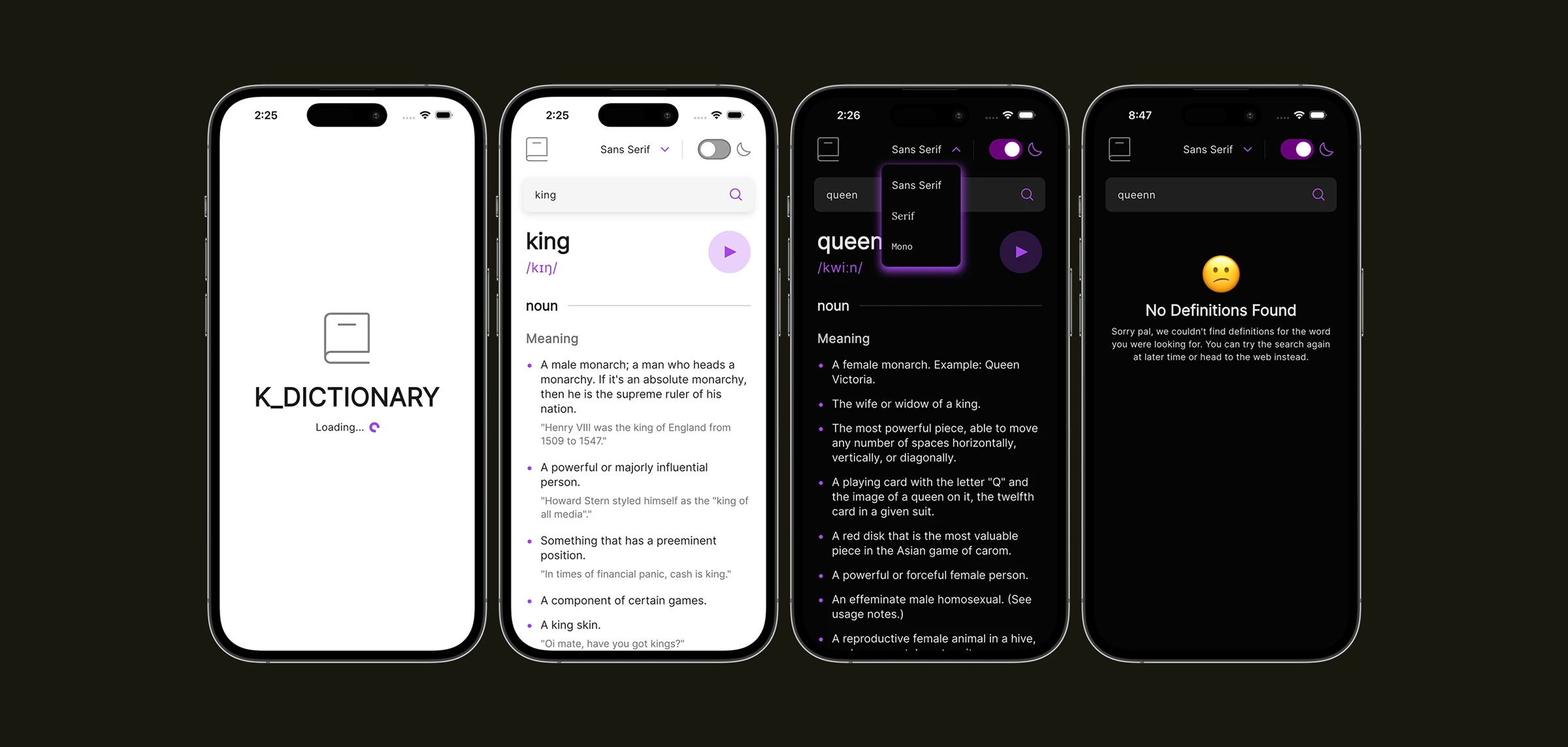
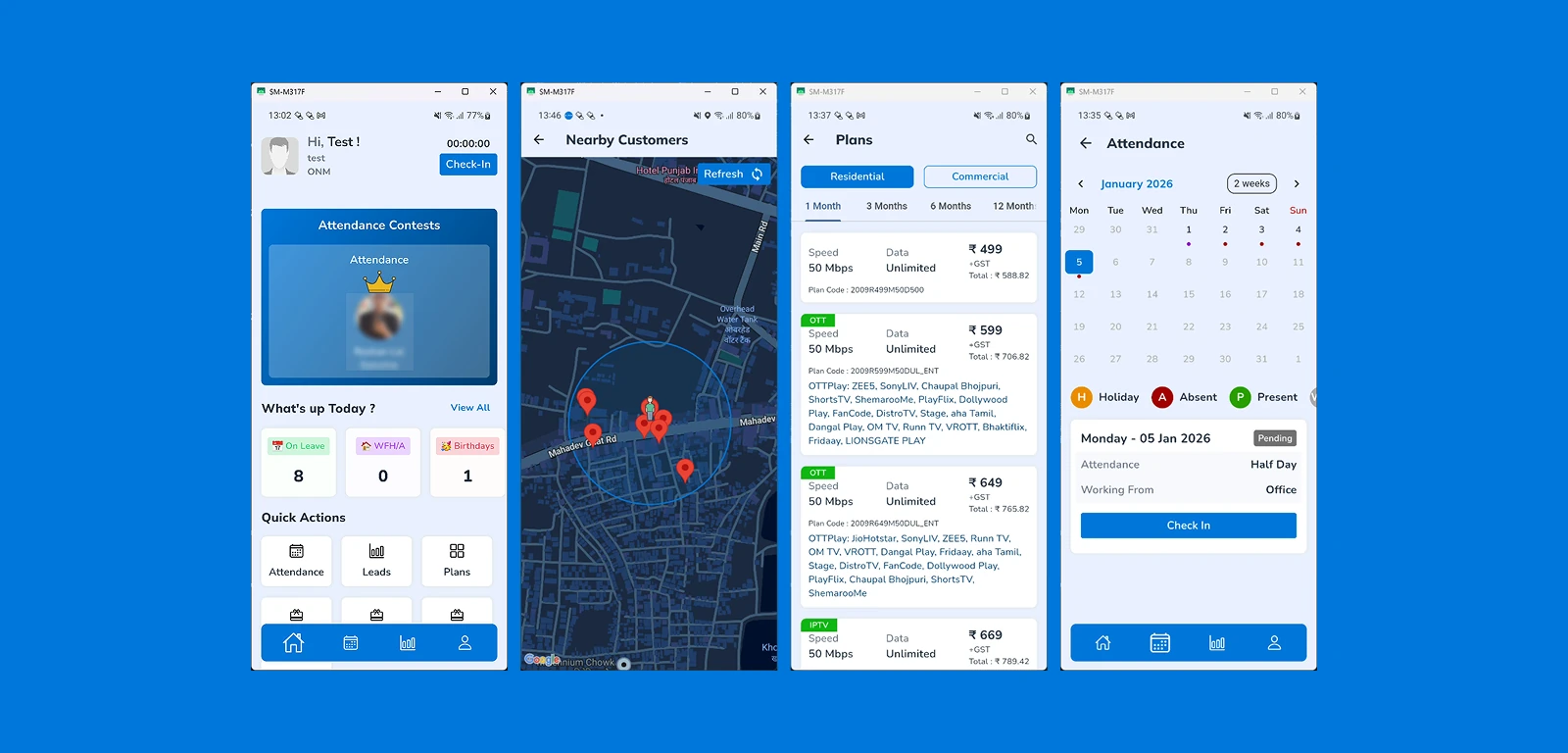
Apps, websites, desktop tools, interfaces, and the automation nobody wants to touch. Built to survive a bad network and still be standing six months later.

Mobile apps, Web apps, Desktop tools, Interface design, Internal tools, Automation, Play Store delivery, Performance work

Mobile apps, Web apps, Desktop tools, Interface design, Internal tools, Automation, Play Store delivery, Performance work
01 / What I do

I get hired for outcomes, not for a stack.

The tools change every two years. The job does not. Somebody has a problem that costs them time or money and needs software that makes it stop.

01Figma, design systems, user flows, prototypes

Product and interface design

You know what is broken. I turn that into flows, screens and something you can click, before a line of production code exists. Cheaper to change a Figma file than a shipped app.

02Flutter, offline-first, payments, Play Store releases

Mobile apps

Android and iOS from one codebase. Built for real Indian conditions: patchy networks, cheap devices, and users who close the app halfway through a task and expect to come back to it.

03Next.js, REST APIs, static and dynamic

Websites and web apps

Marketing sites, customer portals, dashboards. Fast on a 3G connection in a small town, not just on your laptop with fibre.

04Cross-platform desktop, admin panels, dashboards

Desktop and internal tools

The unglamorous internal thing your team actually runs the business on. Nobody wants to build it. I will.

05Scripts, integrations, scheduled jobs, reporting

Automation

The job somebody does by hand every Monday morning. Hand it to a script and take the morning back.

02 / Selected work

5 case studies

03 / The workbench

Nobody asked me to build these.

These are not client work and I am not presenting them as results. They are what I do when I want to find out whether something is possible. Most of them are live and you can open them right now.

LiveVideo and audio editor2026

ClipForge

A video editor that writes your captions and cleans up your audio without the file ever leaving your machine.

A multi-track timeline with trimming, splitting, keyframes, slow zoom, text, stickers and animated captions. Video is encoded by the hardware encoder already in the browser, at up to 4K, and exports as MP4, WebM, MKV or GIF, or as MP3 and WAV when only the audio matters. There is no server behind any of it, so nothing is uploaded and there is nothing to sign up for. Free to use.

Where AI does the work

Captions. A speech recognition model listens to the timeline and gives every word its own start and end time. That timing is what drives karaoke highlighting and word by word animation, and it is the job a creator would otherwise do by hand, one caption at a time.

Hinglish. A second model is tuned for Indian accents and mixed Hindi and English, and writes in roman script, the way people actually type it. It was not published in a form a browser can run, and it was missing the data word timing needs, so I converted it and put that data back.

Noise removal. A speech enhancement model pulls the voice away from fans, hum, traffic and room noise. Ordinary filters struggle here because much of that noise shares frequencies with the voice. A recording is cleaned once, in the background, in about a quarter of its length on a laptop, and a smaller model plays live until it is done.

Every model runs on the device the editor is open on. Footage is never uploaded, nobody pays a per minute bill, and once a caption model has downloaded it keeps working offline.

  • Next.js
  • WebCodecs
  • WebGPU
  • WebAssembly
  • Web Workers

Live3D mockup tool2026

Mockdrop

Drop a screenshot on a phone, a laptop or a watch and export the scene as an image or a video.

The whole scene is WebGL. Rendering, animation and encoding all happen in the browser, so a video is composited and muxed on the visitor machine rather than on a server. Real device models where the shape matters, procedural geometry where it does not. Sign in is the only thing that leaves the browser.

  • Next.js
  • React Three Fiber
  • ffmpeg.wasm
  • NestJS
  • Postgres

LiveChrome extension2026

CaptionPull

A button under every YouTube video that opens the full transcript beside the player, ready to copy or download.

Every line carries a timestamp you can click to jump the video there. Copy it all, save it as a .txt or an .srt subtitle file, or translate it into 25 languages through the auto translate YouTube already runs. Captions the creator wrote are picked over auto generated ones, and if a video has none the button turns grey and says so before you click. Free on the Chrome Web Store, with no account and no tracking.

Why it is an extension

It started as a website where you paste a link. It worked on my machine and failed in production, because Google answers caption requests from data centre addresses with a bot check.

So the whole extraction moved into the browser. Requests now leave from the browser the video is playing in and go straight to YouTube, with no server of mine in between, and the extension asks for one permission that shows no warning on install.

  • Manifest V3
  • TypeScript
  • Shadow DOM
  • esbuild

LiveImage privacy tool2026

MetaPure

Takes the location, the device and the invisible watermarks out of a photograph before you post it.

A photo carries more than the picture. Where it was taken, which camera took it, sometimes a watermark you cannot see. This strips all of it, and the deep clean redraws the image so nothing survives in the file. The photo is never uploaded, because the work happens in the browser and it never leaves the machine.

  • Next.js
  • TypeScript
  • EXIF
  • No uploads

LiveDesign reference2026

ColorTheory

Colour theory you can turn the dial on instead of reading about.

A twelve segment wheel you pick a hue on, six harmonies worked out from whatever you picked, colour psychology, curated palettes, and the colour models shown with live visuals rather than diagrams. The picker runs RGB and HSB sliders that move together, so you can watch what each model does to the same colour.

  • Next.js
  • App Router
  • TypeScript

BuiltAnimation editor2026

Lottie Studio

A Lottie editor where the animation engine underneath it is mine.

The shape renderer, the keyframe interpolation and the easing are all written in the project rather than pulled in. The only animation dependency is the official player, used once in the export dialog to prove the file it just wrote actually plays.

  • Next.js
  • React 19
  • TypeScript
  • No animation library

04 / Receipts

Numbers that are actually mine.

0%

faster processing

Image to location dropped from 26 seconds to 1 or 2 seconds, after I replaced a slow third-party package with a tool I built.

₹0/yr

licence cost removed

Persistent location tracking that survives app termination, usually a paid SDK. I built it in house instead.

0+

employees, every day

Field operations platform I own end to end. Attendance, tickets, collections, commute tracking.

0%

faster delivery

After moving the core codebase to Clean Architecture and MVVM, features started shipping measurably quicker.

05 / How I work

Most software breaks before anyone writes code.

It breaks when nobody said out loud what was being built. This is how I avoid that.

01

Understand what is actually broken

One conversation. I ask what goes wrong today and what it costs you. If software is not the answer, I will tell you that instead of selling you an app.

02

Cut it down to something shippable

We agree on the smallest version worth putting in front of real users, and we write down what it will not do. Nobody is guessing later.

03

Build where you can see it

You get builds while they are being built, not a reveal at the end. Changes are cheap early and painful late.

04

Ship it, then stay

Release, watch what real users do to it, fix what they find. An app that ships and then rots helped nobody.

06 / Writing and video

I write down what the docs left out.

I write about the parts of Flutter that are badly documented, the ones I had to work out the hard way. Sixteen articles so far, and the most read one has crossed 900 reads.

  • Detecting fake GPS and mock locations
  • App lifecycle, properly explained
  • Platform channels without the hand waving
  • CustomPaint and drawing your own widgets
  • Real debugging, on real production bugs
GitHubSource for the things that are open, K_Dictionary includedYouTubeThe same problems, for people who would rather watch than readBlogSixteen articles on production Flutter, written while the bruises were fresh

07 / About

The person behind all of it.

  • 2024 to now

    Elxer Communications

    Lead Mobile App Developer

  • 2023

    Xhitiz IT Solutions

    Senior Flutter Developer

  • 2022 to 2023

    Datalytics

    Mobile App Developer

I am Anmol. I live in Raipur. I taught myself Python in 2015, from tutorials and documentation, with nobody setting the assignments. My first public code went up in January 2017, in Java, PHP, C and C++.

I have been building mobile software professionally since 2022.

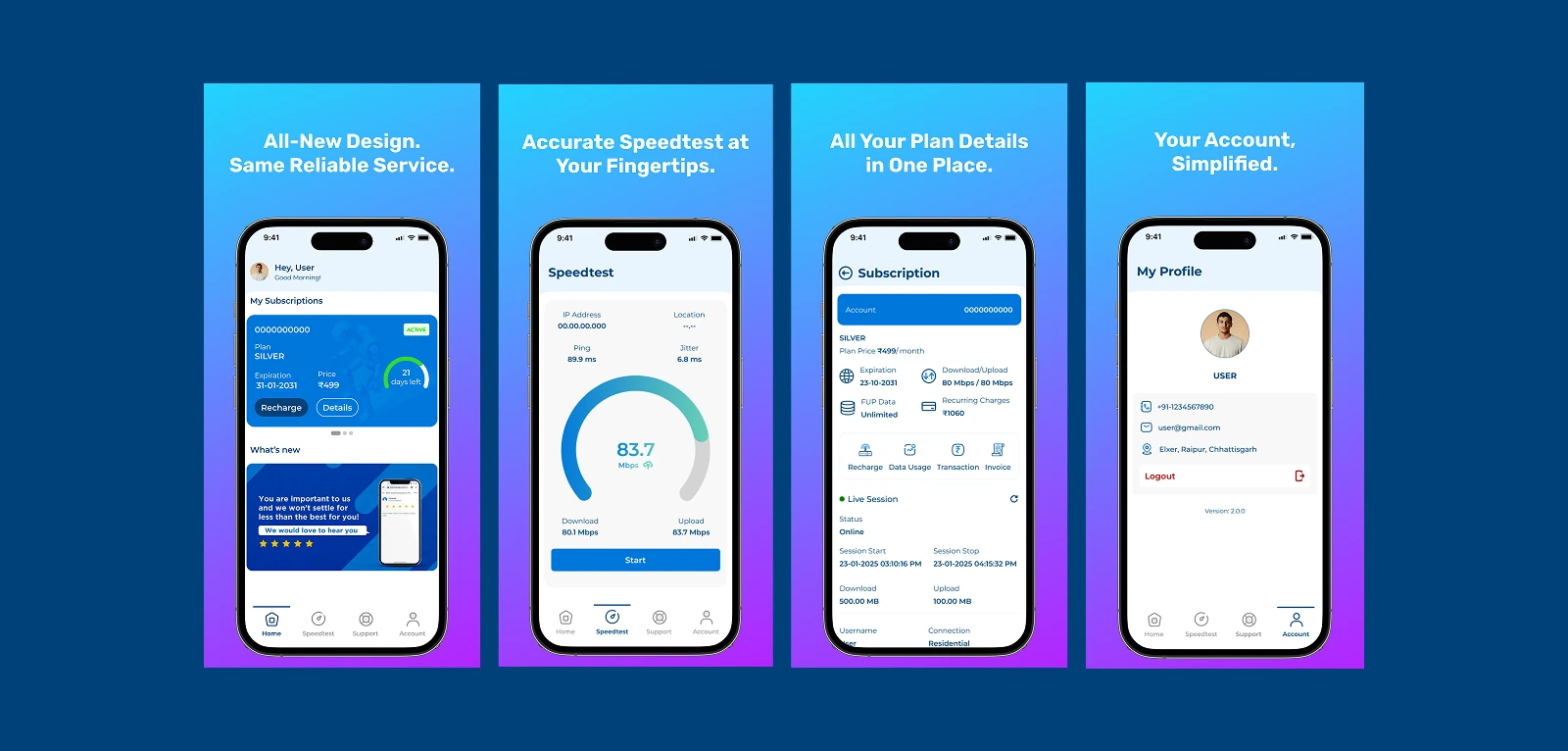
Right now I am the only mobile engineer at Elxer Communications, which means I own two Flutter products completely: an enterprise field operations platform used daily by more than 100 employees, and a consumer ISP app I rebuilt from nothing after the previous one nearly got pulled off the Play Store.

Before that I built e-commerce, attendance systems and an Android TV app that streamed live camera feeds. Alongside the job I take on work that looks interesting, and I write about the messy parts of the craft.

Mobile is what I am paid for most, so it is what people assume I do. It is not the whole of it. Count my own repositories and TypeScript is now slightly ahead of Dart, with Python, Kotlin, Swift and a little Rust behind them. I pick the thing the problem needs.

I do not have a favourite framework. I have a preference for problems that are worth solving, and a low tolerance for software that looks finished but falls apart the first time a real user touches it.

On the record

  • BCA, MATS University, Raipur. CGPA 9.66
  • Google UX Design, Google IT Support, Google Prompting Essentials, Git and GitHub (Coursera)
  • First place, Flutter Hackathon at Effcon Technologies, 2021
Resume, the formal version

What I reach for

Mobile
Flutter, Dart, Kotlin, Swift, platform channels
Web
TypeScript, Next.js, React, Tailwind, WebGL
Backend
NestJS, Node, Express, Postgres, REST
Desktop
Electron, code signing, notarisation, auto update
Infrastructure
Docker, VPS, CI/CD, Asterisk, Nginx
Other
Python, Rust, WebRTC, socket.io

Also shipped

  • Sanghathit

    Social platform with hashtag discovery, multi-image and video posts, and real-time audio and video calling through Agora. Live on Google Play.

  • RJU e-commerce

    Cart, wishlist, payment gateway and order management, built pixel-accurate from Figma with BLoC.

  • Workforce attendance

    Live location capture, photo verification and device ID binding, used daily by field staff.

  • Android TV streaming

    Auto-start on boot, RTSP live camera streaming, and server-driven UI so content changed without a release.

08 / Contact

Tell me what is broken.

If I can fix it, I will tell you how and roughly what it takes. If I cannot, I will say so and point you at someone better placed. Either way you get a straight answer, not a pitch.

Based in
Raipur, India